


How to Care for a New Asphalt Driveway
Updated: Oct 7
Proper new asphalt driveway care helps protect your investment, extend your pavement's lifespan, and reduce the need for costly repairs. While a freshly paved driveway is ready for light use within a day or two, asphalt continues to harden for several months after installation. Understanding how to care for a new asphalt driveway, how long it takes asphalt to cure, and following simple asphalt driveway maintenance practices will help your driveway withstand Ontario's changing seasons and everyday vehicle traffic.
From avoiding heavy loads during the curing period to keeping the surface clean and addressing small issues early, a little preventative maintenance goes a long way. By giving your driveway the attention it needs during its first year, you'll enjoy a smooth, durable surface that enhances your home's curb appeal for years to come.
Why New Asphalt Driveway Care Matters
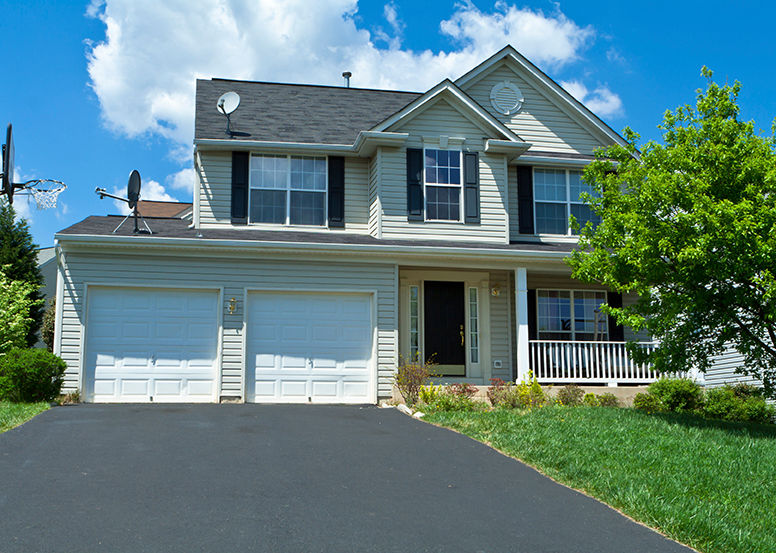
A new asphalt driveway is built to last, but its long-term performance depends on how it's cared for immediately after installation. Although the surface may look finished, asphalt continues to cure and strengthen over time. During this period, it's more vulnerable to scuffing, indentations, and unnecessary wear.
Ontario's freeze-thaw cycles, heavy rainfall, and summer heat can also affect pavement if water isn't draining properly or routine maintenance is neglected. Preventative care helps reduce the risk of premature cracking while keeping the surface looking clean and attractive.
Simple habits such as avoiding heavy vehicles, keeping the driveway free of debris, and monitoring drainage can significantly extend its lifespan while helping you avoid larger repairs in the future.
Learn more about our asphalt driveway paving services or read our complete guide to driveway paving.
How Long Does Asphalt Take to Cure?
One of the most common homeowner questions is how long asphalt takes to cure. While most driveways are ready for normal vehicle traffic within 24 to 48 hours, the curing process continues for six to twelve months as oils within the asphalt gradually evaporate, and the pavement hardens.
Warm weather can help the curing process, while cooler temperatures may slow it down. During the first few months, it's best to avoid parking heavy vehicles, trailers, or equipment on the driveway for extended periods.
You should also avoid turning your steering wheel sharply while your vehicle is stationary. Pivoting tires can scuff or mark the surface before the asphalt has fully hardened. Parking in different locations also helps prevent minor depressions from developing while the pavement continues curing.
Our proven quality paving process helps ensure every driveway starts with a strong foundation for long-term performance.
New Driveway Maintenance Tips for the First Year
Following a few simple new driveway maintenance practices during the first year helps your asphalt perform its best for years to come.
Sweep away dirt, leaves, and debris regularly to prevent moisture from accumulating.
Avoid parking heavy trucks, RVs, or trailers on the driveway until it has fully cured.
Change where you park occasionally to distribute vehicle weight more evenly.
Clean up oil, gasoline, and other automotive fluids as soon as possible to prevent surface deterioration.
Watch for areas where water pools after rainfall, as standing water can shorten the pavement's lifespan.
Be careful around driveway edges, which are more susceptible to cracking until they're fully supported by surrounding soil or landscaping.
Avoid placing sharp objects such as motorcycle kickstands or trailer jacks directly on the asphalt.
Inspect the driveway after winter to identify small cracks before they become larger repairs.
If damage does occur, timely asphalt repair and patching can prevent more extensive deterioration. For older driveways showing widespread surface wear, our asphalt resurfacing services may provide a cost-effective solution.
Common Mistakes That Damage a New Asphalt Driveway
Many driveway problems are preventable with proper care during the first year.
Some of the most common mistakes include parking heavy equipment too soon, allowing water to collect because of poor drainage, or delaying repairs when small cracks first appear. Even minor cracks can allow moisture to penetrate the base, where freeze-thaw cycles may cause more significant damage over time.
Using metal snow shovels aggressively can gouge the asphalt surface, while leaving oil or fuel spills untreated may soften the pavement. Another common mistake is applying sealcoating too early before the asphalt has finished curing, which can trap oils within the pavement.
Routine inspections and preventative maintenance help keep small issues from becoming larger ones. Working with experienced paving contractors also ensures you receive guidance that's specific to your driveway and local conditions.
When Should You Seal a New Asphalt Driveway?
Sealcoating plays an important role in long-term asphalt driveway maintenance, but timing matters. In most cases, homeowners should wait approximately six to twelve months before applying the first coat of sealer, allowing the asphalt adequate time to cure.
Once applied at the appropriate time, sealcoating helps protect the surface from moisture, UV exposure, oxidation, and everyday wear. It also enhances the driveway's appearance by restoring its rich black finish while slowing the natural aging process.
Ontario's spring through early fall seasons generally provide the best conditions for sealcoating because warm, dry weather allows the product to cure properly.
If you're unsure when your driveway is ready, it's always best to request a driveway assessment before scheduling sealcoating.
Seasonal Asphalt Driveway Care in Ontario
Ontario's climate makes seasonal maintenance an important part of asphalt driveway care.
In spring, inspect the driveway for cracks that may have developed during winter's freeze-thaw cycles. During summer, avoid leaving heavy equipment parked in one location for extended periods while asphalt remains more flexible in the heat. In fall, remove leaves and debris to keep drainage areas clear before winter arrives. When clearing snow, use care with metal blades and avoid striking the pavement aggressively near edges.
Routine seasonal inspections help identify small issues early and keep your driveway performing at its best. Learn more about residential paving solutions from Parkdale Paving.
Protect Your Asphalt Driveway for Long-Term Performance
Proper practices for caring for a new asphalt driveway help maximize your investment while keeping your pavement looking its best for years to come. Since 1978, Parkdale Paving has helped Ontario homeowners protect their driveways with quality workmanship, owner oversight on every project, and practical maintenance advice backed by decades of experience.
Whether you need maintenance recommendations, repairs, or a professional assessment, contact Parkdale Paving today. You can also learn more about our residential asphalt driveway services and how we help homeowners get the most from their investment.


Comments